




Fast, professional, restoration when you need it most.
Proudly serving Las Vegas and surrounding communities.
Laughlin sits at the lowest elevation in Nevada, right along the Colorado River, and summer here runs hotter than almost anywhere else in the country. That heat is hard on plumbing, roofing, and cooling equipment, while the river adds moisture to the air that the rest of the Mojave never deals with.
Ironclad Response has spent over a decade restoring damaged property across Clark County. We are locally owned and IICRC-certified in water damage restoration, applied structural drying, mold remediation, and fire restoration. Calls are answered at any hour, and the same team carries the job from emergency response through final repairs.
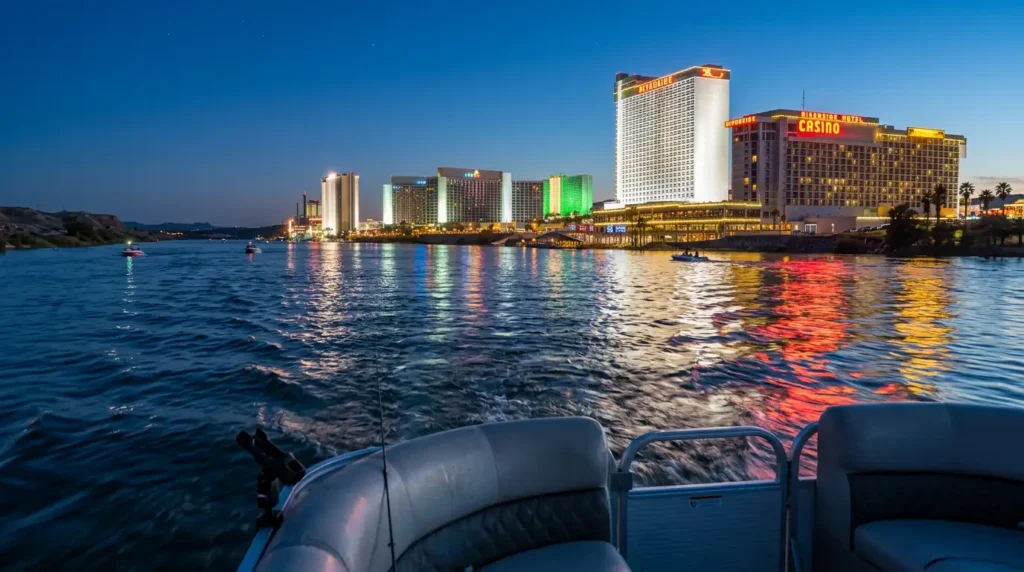
The first few hours after a loss decide how much of a property can be saved. Our emergency response starts with water extraction, moves into applied structural drying and dehumidification, and uses moisture detection and monitoring to confirm that framing, insulation, and subfloors reach dry standards instead of just feeling dry.
Beyond water, we restore fire and smoke damage, remove mold, and sanitize sewage backups. Storm, flood, wind, and hail work comes with the territory in a town built alongside desert washes. We also provide asbestos testing and abatement, biohazard cleanup and decontamination, and crime scene and trauma cleanup.
Rentals, offices, and riverfront buildings run on a different clock than a single-family house, so commercial property damage restoration is part of what we do, including the reconstruction phase once cleaning and drying are complete.
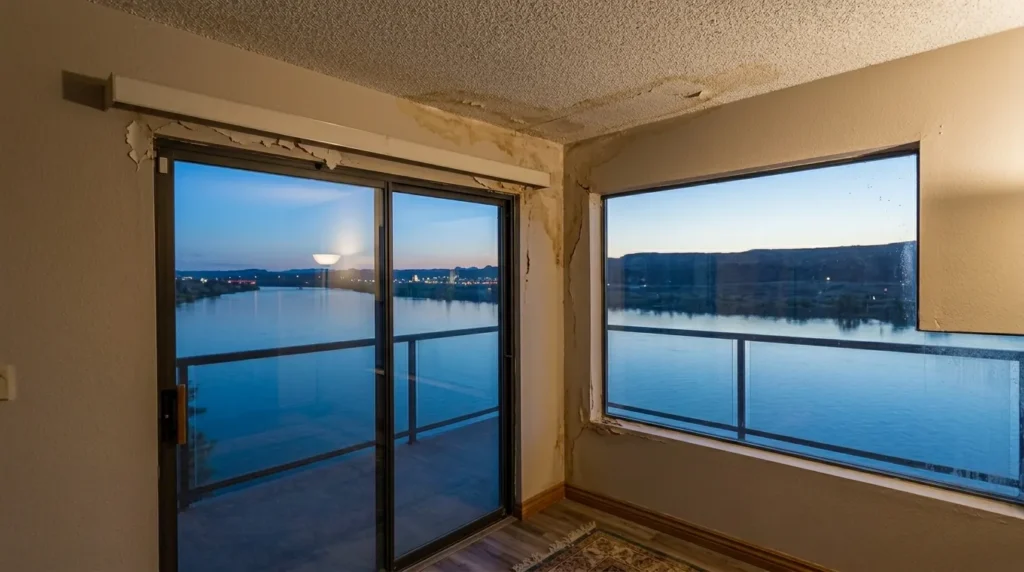
Plenty of homes here sit empty for part of the year, which means damage often goes unnoticed until someone walks back through the door. These are the details worth checking.
Anything on this list deserves a professional moisture inspection rather than a wait and see approach.
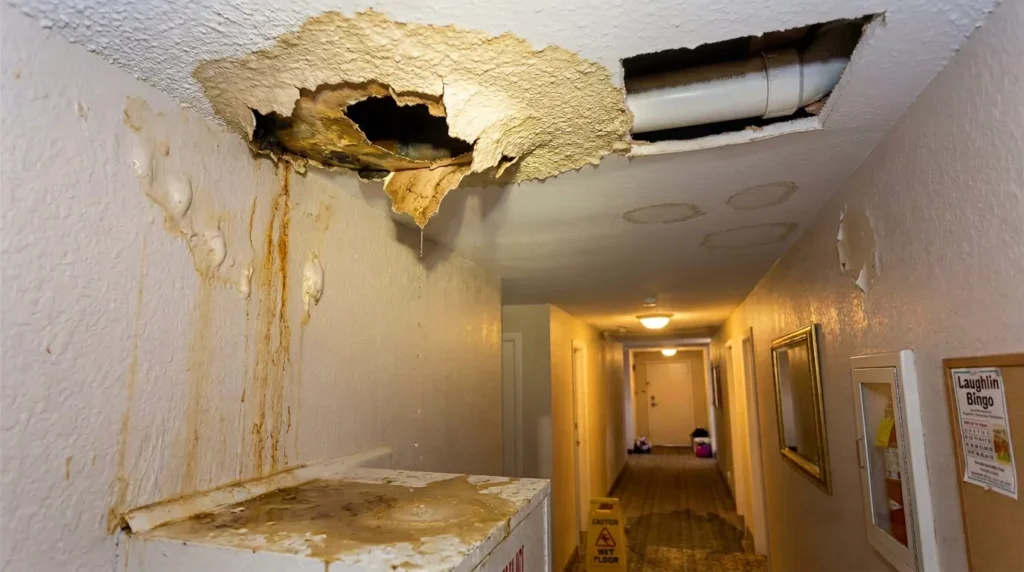
Extreme heat is the single biggest factor in Laughlin. Summer highs well above 115 degrees push water heaters, braided supply lines, and washing machine hoses past what they were built to handle, and a line that fails in an empty house can run for days. Roofing takes the same beating, drying out and splitting until the first storm finds the opening.
The river changes the picture too. Homes and condos near the water hold more indoor humidity than properties farther inland, and air conditioners running nonstop produce condensate that has to drain somewhere. A clogged drain line puts water in a hallway or a ceiling with no warning at all.
Then there are the washes. Runoff off the Newberry Mountains moves fast during monsoon season, carrying mud and debris into garages, ground-floor units, and manufactured homes that sit low to the ground. Wind coming up the river corridor works on roof edges and skirting at the same time.

Jean came back to her Emerald River home in early fall after spending the hottest months with family out of state. The moment she opened the door, the air felt heavy and smelled sour, and the entryway tile was cool and slick underfoot.
A braided supply line under the guest bathroom sink had split sometime during the summer. Our crew shut off the water, extracted what had pooled in the low spots, and pulled baseboards to check the framing. Moisture readings showed the wall cavity and part of the hallway subfloor were saturated, with mold starting to establish behind the vanity.
We set containment, removed the affected drywall and cabinetry, ran drying equipment until the readings held steady, then rebuilt the bathroom and hallway. Jean was back in her home without a second contractor ever being brought in.

Here is what you get when our crew takes the call.
From the first phone call to the final walkthrough, you deal with one crew that already knows the property.
Yes, and those losses are common here. We trace how far the water traveled, check for mold growth inside wall cavities, and document the full scope so you have what your insurance carrier needs.
It can. Heat speeds up material breakdown and lets mold establish quickly inside warm, damp wall cavities. Fast extraction and controlled drying matter more in this climate, not less.
Shut off the water supply if you can safely reach the valve, stay off the wet areas, and avoid running the air handler if you suspect smoke or mold. Photos taken before cleanup help support the claim.
We do. Rentals, offices, retail spaces, and hospitality properties are all part of our work, and we schedule around operating hours whenever possible to limit disruption for guests and staff.
We take moisture readings at set points every day and compare them against dry standards for each material. Equipment stays in place until those numbers hold, not until a fixed number of days has passed.